
By Luis Valenzuela
As we age, it is important to be vigilant when it comes to proper nutrition and consuming the optimum mix of vitamins and nutrients. Finding ways to fit essential nutrients into your diet will not only improve your immune system response but can also decrease inflammation and help regulate blood sugar.
Here are 4 key nutrients rich play a vital role supporting the immune system.
Vitamin D – Essential to a Healthy Diet
Vitamin D is fat soluble vitamin and important for our immune system, bone health, decreasing inflammation and glucose metabolism. The minimum daily recommended amounts, according to National Institute of Health (NIH), for adults is 600 international units (IUs) or the equivalent would be 15 micrograms (mcg).
“Vitamin D is important not only for your immune systems, but also for bone health, decreasing inflammation and glucose metabolism.”
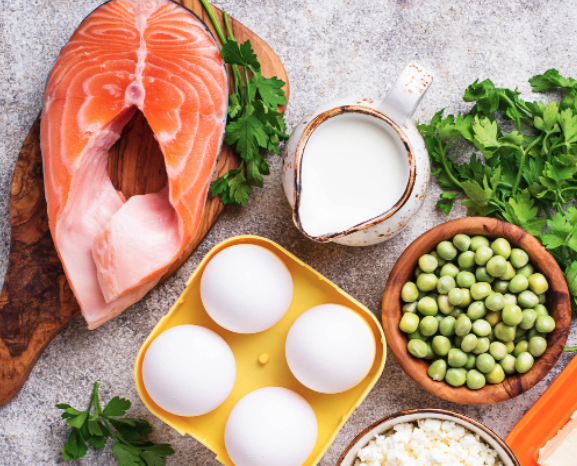
Good food sources would be cod liver oil, trout or salmon. This vitamin can be found in much smaller amounts in other foods and milk is fortified with vitamin D.
Regular sun exposure can help the body make active vitamin D (calcitriol) if both the kidney and the liver are healthy. Being homebound or having kidney or liver disease can certainly have a negative effect on how much if any vitamin D the body can make.
Good Sources of Vitamin D
- Cod liver oil
- Trout or salmon
- Vitamin D fortified milk
- Sunshine
Vitamin C – Improves How Your Body Functions
Vitamin C is a water-soluble vitamin that plays an important role in many of your body’s processes. It helps to form blood vessels cartilage, and collagen in your bones. It even helps build muscle and is vital to your body’s healing process. However, for this discussion we will focus on the immune system. The minimum daily recommended amounts for vitamin C is 75 milligrams for woman and 90 for men.
Because it is a water-soluble vitamin the body does not store excess amounts of this vitamin. If a person consumes high amounts of vitamin C on a regular basis the body will excrete the excess though the urine.
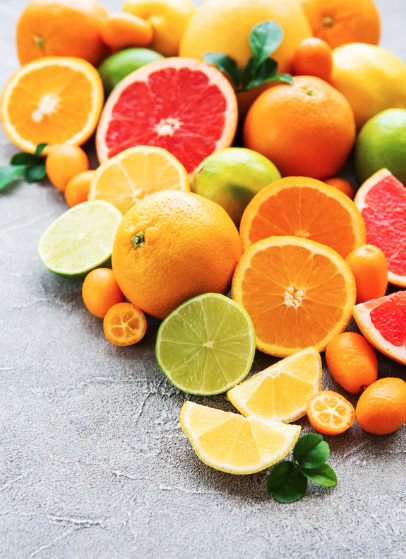
There are many good food sources of vitamin C. Red bell peppers, citrus fruit, green leafy vegetables like broccoli and spinach, potatoes and tomatoes.
Sources of Vitamin C
- Citrus fruits
- Red bell peppers
- Green leafy vegetables like broccoli and spinach
- Potatoes
- Tomatoes
Zinc – A Mineral Found in Every Cell of Your Body
Second only to iron, zinc is the most abundant mineral in your body, and helps aid your metabolism, digestive processes, and nerve functions. It also plays an integral role in the immune system. It can be found in some foods or consumed in a supplement. The recommended daily amount is 8 milligrams for women and 11 milligrams a day for men.
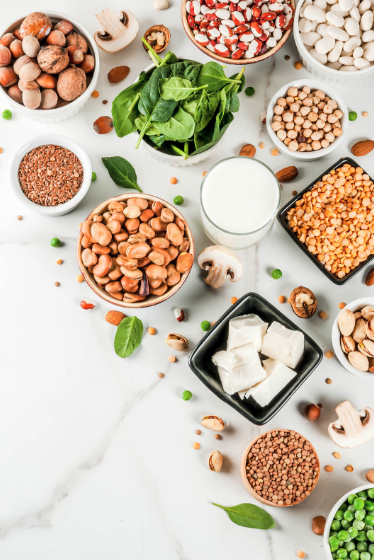
Oysters are a great source of zinc and meats are going to be a decent source of zinc and other foods like beans and nuts will have some zinc in lower amounts. Phytates, which are found in cereals, grains and legumes, can interfere with the absorption of zinc.
Dietary Sources of Zinc
- Oysters
- Meats
- Beans
- Nuts
“Phytates, which are found in cereals, grains, and legumes, can interfere with the absorption of zinc”
Selenium – A Powerful Antioxidant
Selenium is a trace element and a powerful antioxidant. It helps the body protect against infections and decreases the risk of cellular oxidation. The recommended daily amount is 55 micrograms for both men and women. Brazil nuts, seafoods and organ meats are going to be your best sources of selenium.
Dietary Sources of Selenium
- Brazil nuts
- Seafoods
- Organ meats
Dietary Supplements – A Reasonable Alternative
I always encourage people to get as many nutrients as possible from whole foods when possible, but if that isn’t likely to happen then the next best way is with a supplement. It’s always a best practice to speak with your doctor before adding any supplements to your regular intake just to make sure it’s safe for you, any specific medical conditions you may have, and to ensure the supplements don’t affect any medication you might be taking.
“I always encourage people to get as many nutrients as possible from whole foods when possible”

About the Author
Hi, my name is Luis Valenzuela. I’ve been a Registered Dietitian Nutritionist for over 23 years and have spent my entire career counseling both pediatric and adult clients. I’m passionate about nutrition and health, as well as trying to personally practice what I preach. I hope you find the information helpful and that it leads you to be proactive about your own health.
Source: National Institute of Health for Professionals
Disclaimer: The information in this article is a general overview of a healthy diet. You should always consult with a physician when considering your individual dietary needs.